Holiday In Malta
This Malta travel guide will cover the most important travel information you are looking for. This article sponsored by: Parking Lot Striping Plano (more…)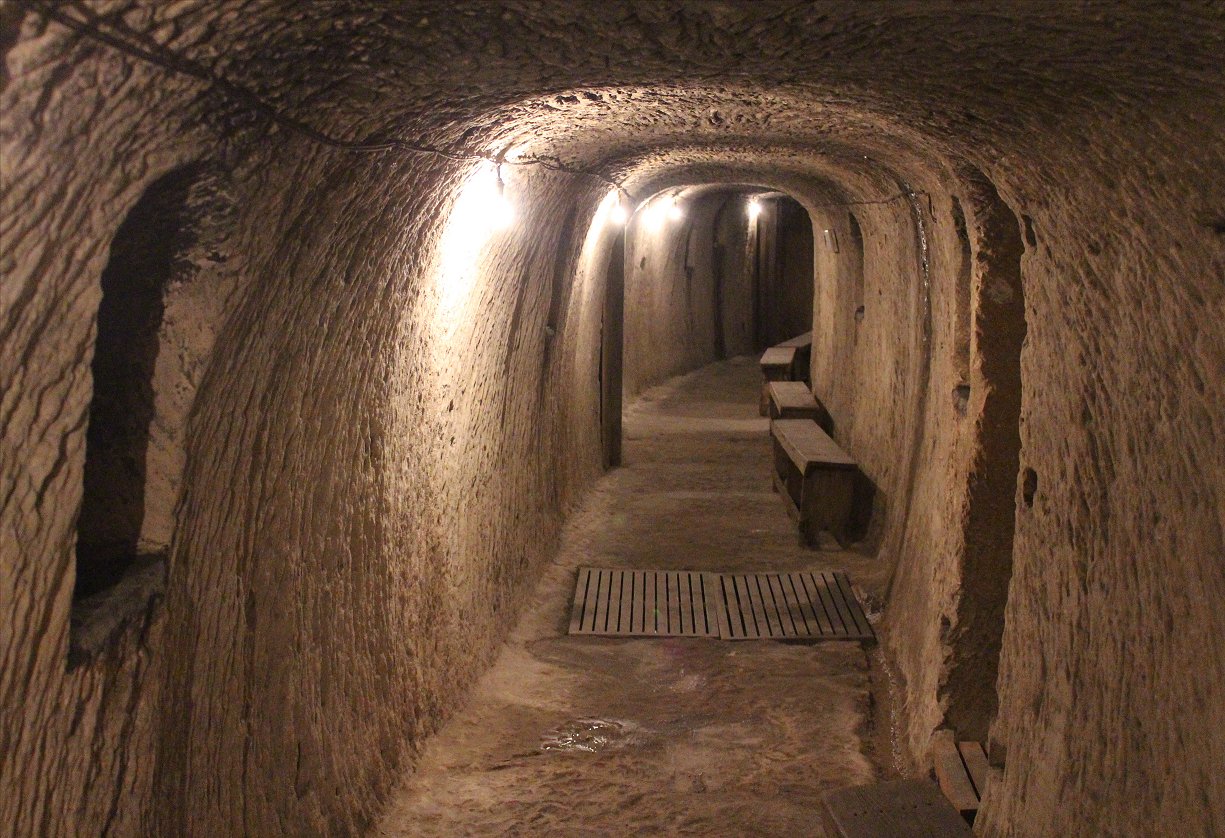
Mysterious Tunnels
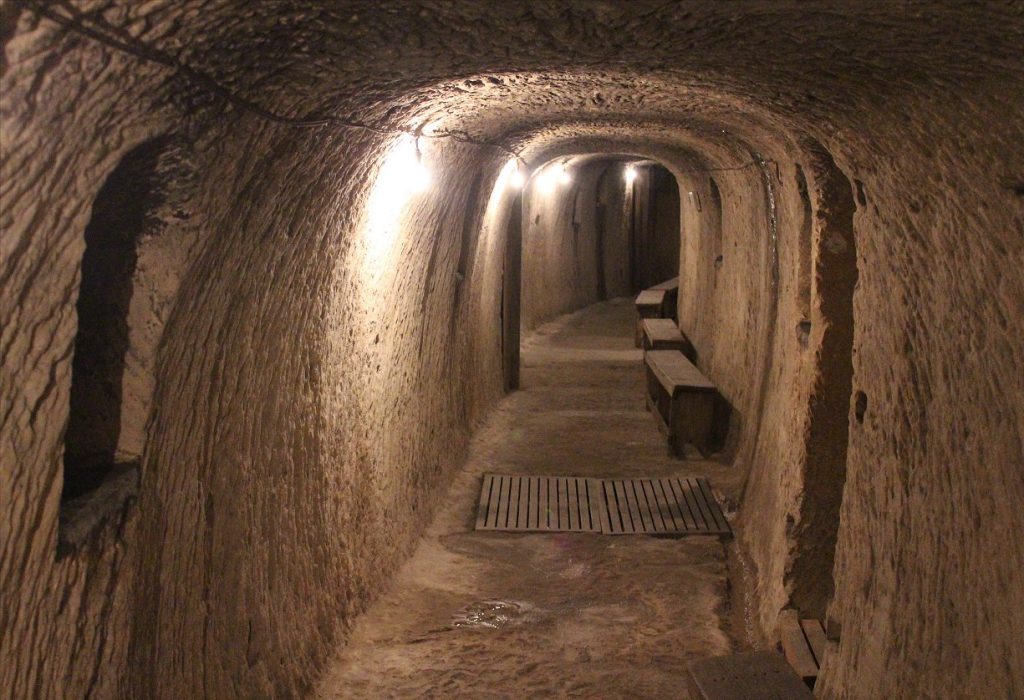
Subterranean, underground, caves, discovery, unfound, secret, lost, escape labyrinth, and etc. If you are infatuated with these words or are a travel junkie for similar situations, there is a country that you can go to if you’re looking to quench your thirst for adventure. This article sponsored by: Parking Lot Striping Indianapolis (more…)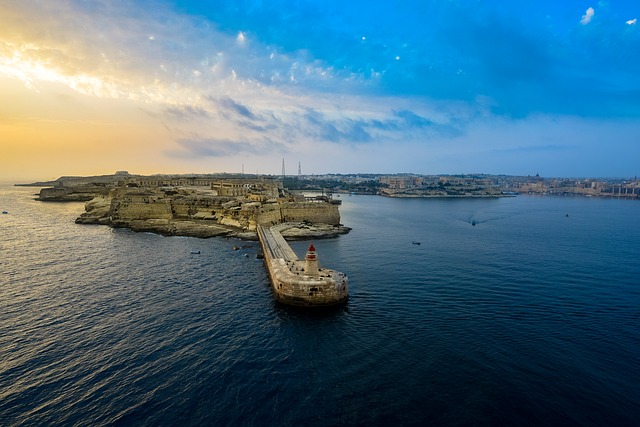
Fun in Malta
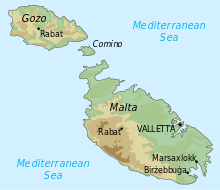
Malta is one of the most beautiful island countries in the world. It is a combination of islands that are located just south of Sicily in the central Mediterranean sea. Many tourists go to Malta for the holidays and vacations. It is one of the places that one should not fail to visit in their lifetime. Here are some of the sporting and fun activities to do while in Malta. Article Sponsored by Air Conditioning Repair Frisco (more…)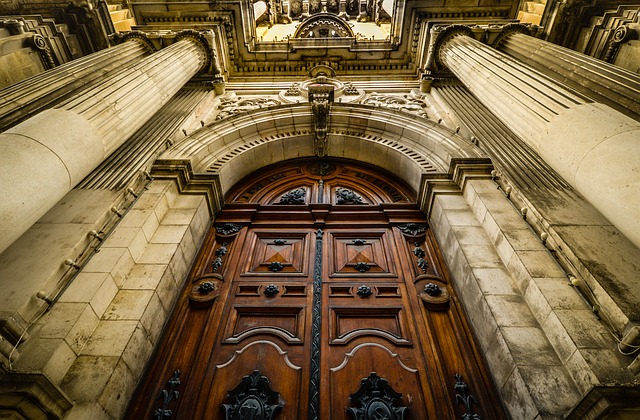
Let's Explore Malta
Malta is a beautiful place to take your family on vacation. The beauty and history of this place will be last in the hearts of your family forever. Malta is basically known as the Republic of Malta. Malta became a republic in 1974. This county is considered as a great tourist place as well. Its location is in the middle of the Mediterranean. You will find Christian legacy here in Malta. And let me tell you guys, it is popular for its warm climate. It is also famous for its historical monuments. So this was just a small introduction regarding Malta by Me. Now let me tell you some amazing facts of this place. This Article Sponsored By: Parking Lot Striping Asheville (more…)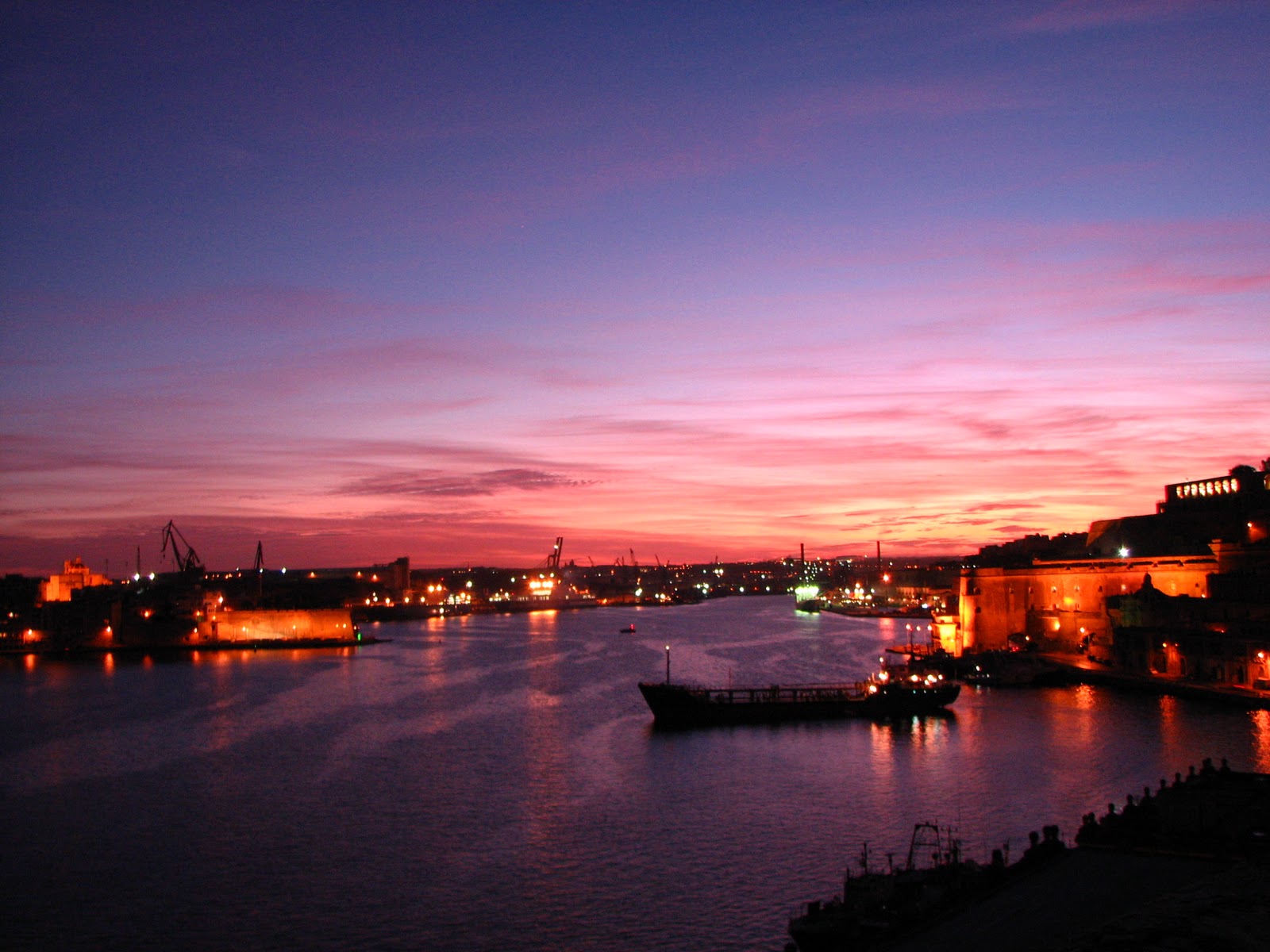
Malta (also known as the Republic of Malta) is one of the island countries in
The Mediterranean Sea which can be your choice for this summer holiday destination. There are a number of places and resorts according to your age and taste in Malta. But before we give you all the reasons in the world to make you visit this place, let’s talk about its geography more.
Malta has the total area of 316 km2 and is popular for its warm climate and some world heritage sites. Malta has a rich culture and most of them reflect the British culture as it was a part of The Great British Empire.
(more…)
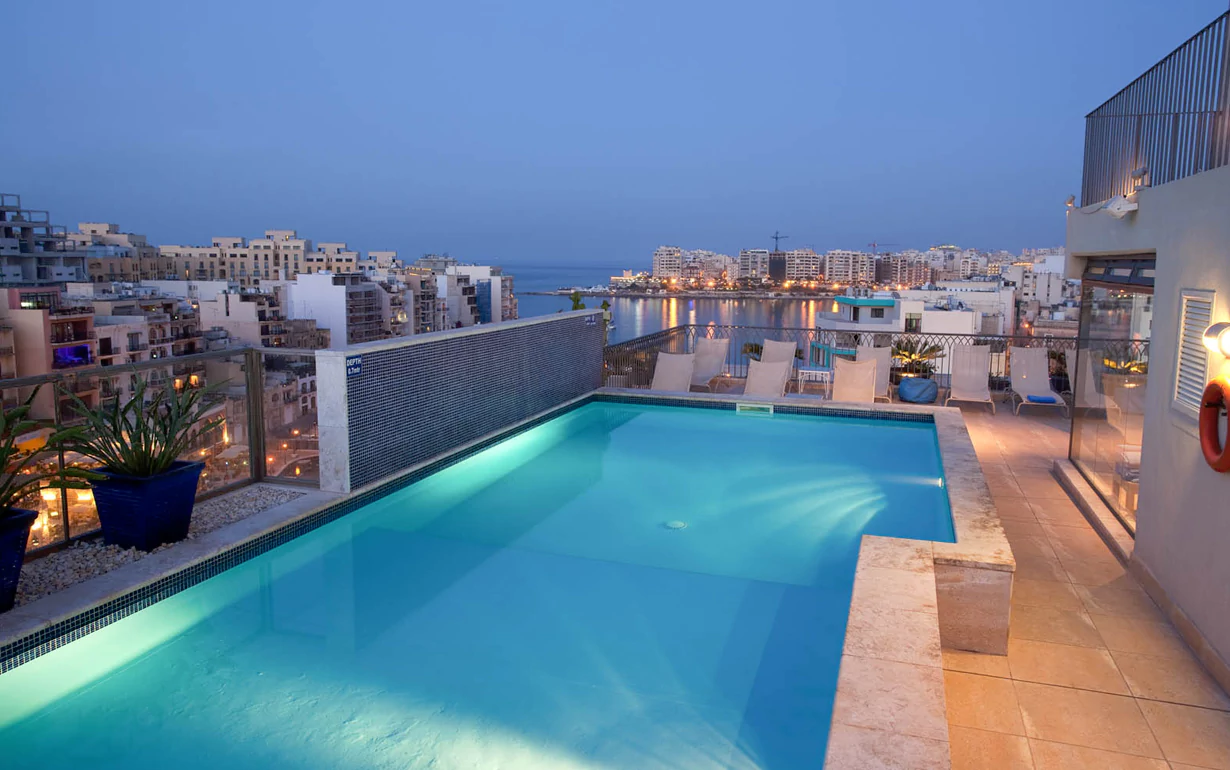
Malta Luxury Hotels
Malta has been a favorite holiday destination for many tourists from across the world. From its beautiful ancient temples, impressive yachts, golden sandy beaches, sophisticated cuisine, historic forts, to the unique variety wildlife, there is just so much to experience in Malta. We have highlighted some of the best luxury destinations in Malta. In particular, we have provided you a list of some of the finest luxury hotels along with the fun things to do while staying at a hotel in Malta. So here we go; (more…)Fun Vacation Hotels
Do you want to have fun? Do you like vacations? Malta is the place to go, the great experience you will have in Malta will blow your mind away. Malta is actually an island located somewhere in the middle of Mediterranean Sea, a very small country but with a lot see and enjoy. Before traveling to Malta you first need to look for a nice place to stay and enjoy your vacation. Let me guide you on the most luxurious and best hotels you can book. (more…)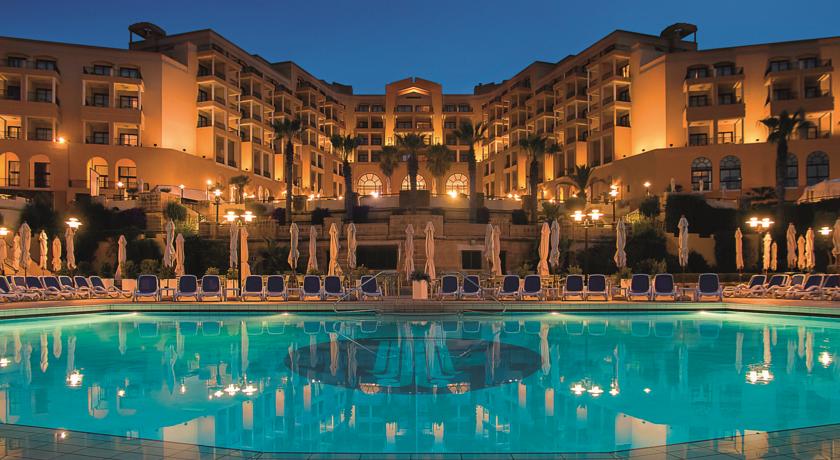
Marina Hotel Corinthia Beach Resort
Malta is one of the best and most memorable travel destinations. It has a very relaxing and laid-back vibe. The people are also very nice and helpful to tourists. There are also quite a number of fine hotels around Malta that offers a taste of luxury and comfort. Some of the best ones are; the Marina Hotel Corinthia Beach Resort, St. Julian's Bay Hotel, The Waterfront Hotel, and the Golden Tulip Vivaldi Hotel. (more…)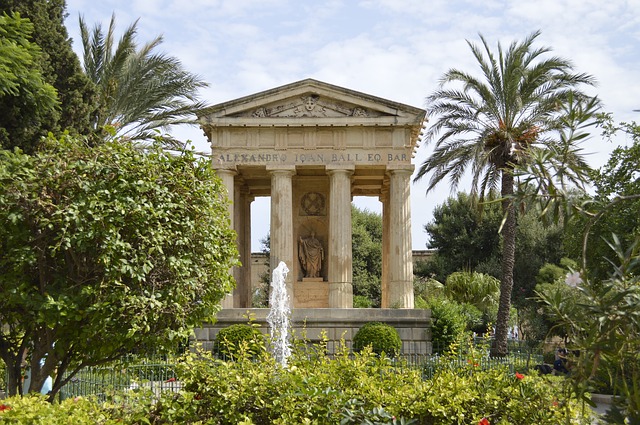
There are different kinds of top best hotels in Malta to offer you excellent quality accommodation. Malta has a delightful an array of hotels, each offering an incredible variety of services, amenities and features that are unique to each other and the surrounding locations. As each, the visitor has a different taste and lifestyle so are the various holiday destinations. Right from the luxury topaz hotel Malta to the exclusive Soreda Hotel Malta, a stay in these classy hotels will promise you a delightful and enjoyable experience. And this is the best way to go about the top best hotels in Malta.
 (more…)
(more…)